7 Jun 2026
Unpacking Data Pathways That Link Reward Incentives Across Digital Card Formats and Athletic Streaming Markets on Portable Devices
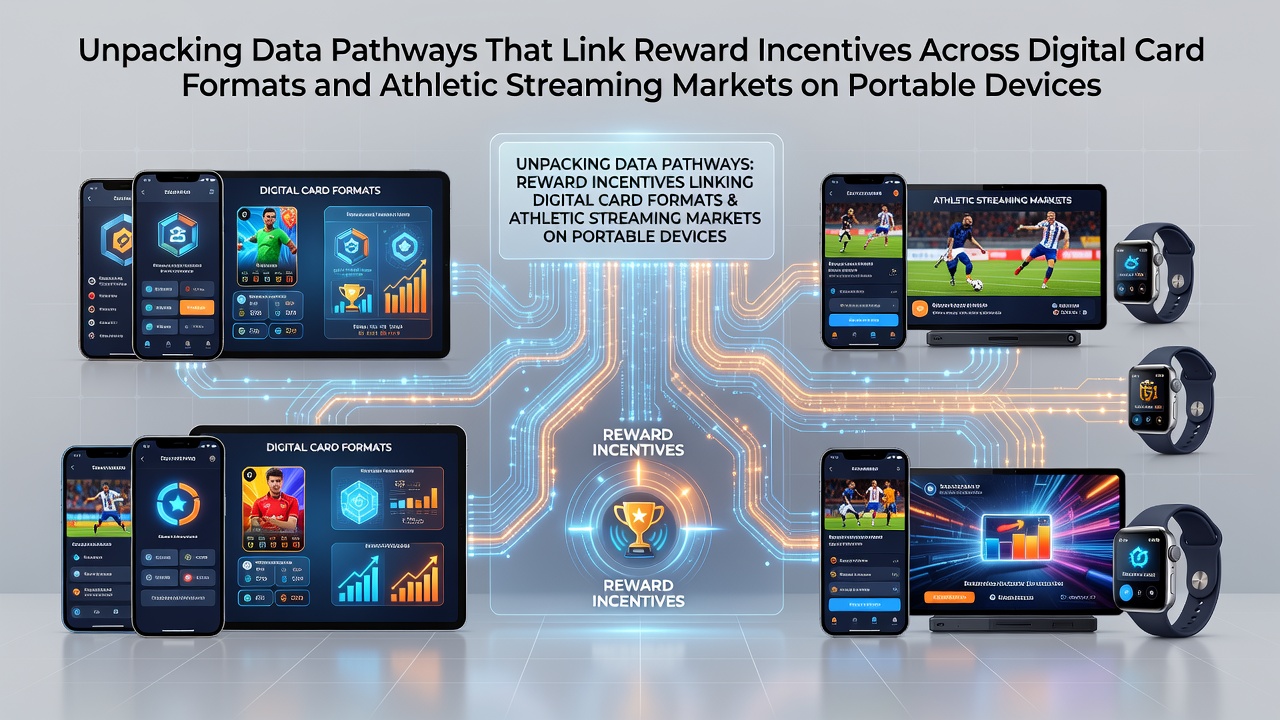
Digital card formats on mobile devices encompass collectible card games and virtual trading systems where users earn rewards through gameplay achievements and collection milestones while athletic streaming markets deliver live sports content through dedicated applications that incorporate incentive structures tied to viewing habits and engagement metrics. Data pathways connect these systems by transmitting user behavior signals across platforms to synchronize reward eligibility and distribution mechanisms.
Core Components of Mobile Data Integration
Portable devices facilitate continuous data exchange through application programming interfaces that pull information from card game servers and push it toward streaming service databases where algorithms adjust reward offers based on cross-category activity patterns. Researchers have documented how device identifiers and session logs serve as primary conduits allowing seamless transfers of preference data without requiring separate user authentication steps in many integrated ecosystems. Observers note that operating system level permissions granted during app installation enable these flows to operate in background processes that update reward balances in real time as users switch between card collection sessions and sports broadcast viewing.
Studies from academic institutions have examined how cloud based synchronization services aggregate metrics such as session duration in card formats with concurrent streaming minutes in athletic markets. These aggregated datasets then inform dynamic reward allocation engines that distribute digital assets or viewing credits according to predefined correlation rules. In June 2026 several major platform providers adopted enhanced encryption protocols for these transmissions following updates to mobile operating system security frameworks that altered default data sharing permissions.
Technical Mechanisms Driving Reward Linkages
Application developers implement token based authentication systems that permit reward profiles to travel between card game environments and streaming dashboards on the same device. When a user completes a card pack opening sequence the resulting achievement data travels via secure channels to update eligibility scores for premium athletic stream features such as ad free segments or exclusive commentary tracks. Those who've analyzed these architectures report that machine learning models process the incoming signals to predict optimal reward timing and type across both categories.
Device level storage solutions including secure enclaves maintain local copies of linked reward histories which reduces latency during cross format redemptions. Data indicates that synchronization occurs at intervals ranging from several seconds to minutes depending on network conditions and platform policies. External services such as those outlined in reports from the Federal Trade Commission provide guidelines on transparent consent flows that support these technical linkages while maintaining user control over shared information categories.
Market Examples and Implementation Patterns
One documented case involves a leading digital card platform that partnered with an athletic streaming provider to create joint loyalty tiers where progress in virtual card tournaments directly influenced access levels to exclusive game broadcasts. The integration relied on anonymized user graphs that matched behavioral clusters without exposing individual identities during the initial data exchange phase. Similar arrangements have appeared in European markets where providers comply with regional data protection standards that require explicit opt in mechanisms for cross service reward calculations.
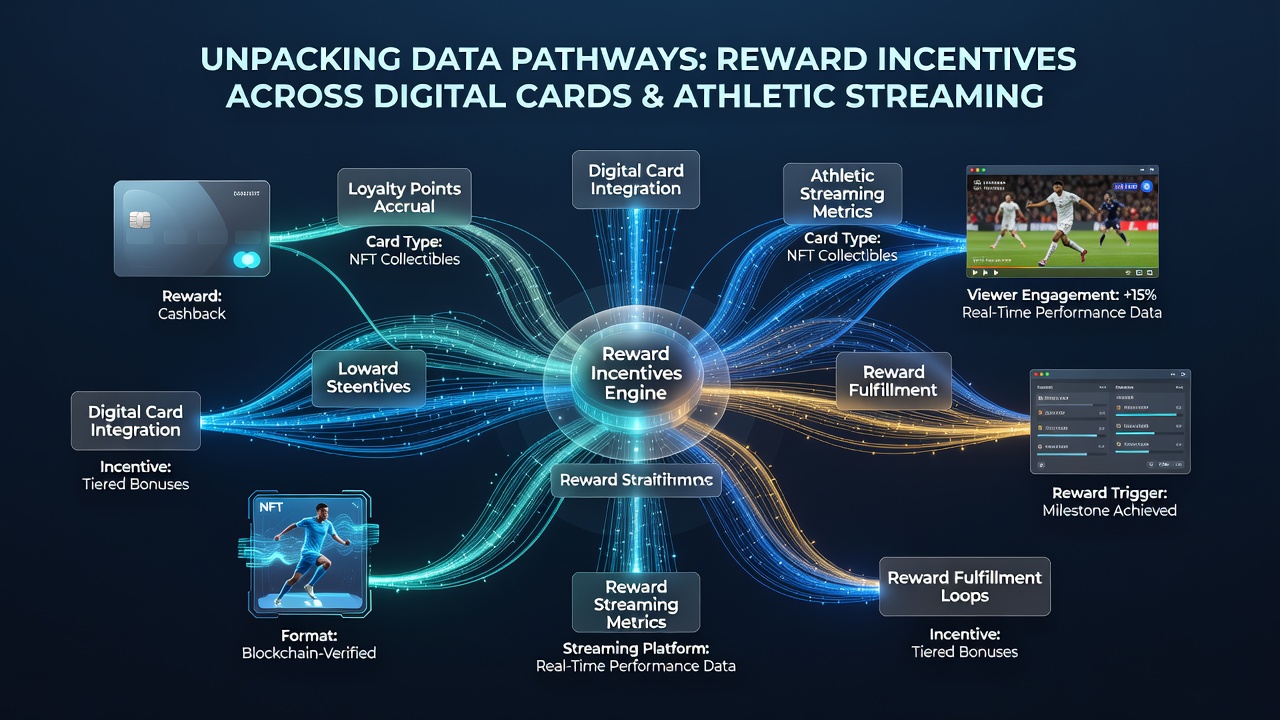
Additional implementations utilize push notification frameworks to alert users when rewards earned in one format become available for use in the other. These alerts carry metadata that references the originating data pathway while avoiding storage of sensitive transaction details on the device itself. Industry reports compiled by organizations tracking digital entertainment trends reveal consistent growth in such hybrid incentive models throughout 2025 and into the first half of 2026.
Privacy and Compliance Considerations
Regulatory frameworks in multiple jurisdictions mandate audit trails for data movements between card game and streaming applications. These requirements ensure that reward incentive linkages remain traceable from initial collection through final allocation. The Entertainment Software Association has published resources detailing best practices for maintaining separation between entertainment categories while still permitting beneficial data flows that enhance user experiences. Users retain options to sever these connections through account settings that block specific identifier sharing across installed applications.
Canadian regulatory bodies have issued guidance documents addressing similar cross platform data practices in digital entertainment sectors emphasizing clear disclosure of how athletic streaming metrics might influence card format rewards. Compliance teams routinely test these pathways using simulated user profiles to verify that reward adjustments occur only after confirmed consent stages.
Conclusion
Data pathways linking reward incentives across digital card formats and athletic streaming markets on portable devices continue to evolve through technical refinements and regulatory adaptations. These systems rely on established mobile infrastructure to move engagement signals efficiently while supporting diverse incentive structures. Observers tracking developments into 2026 note ongoing standardization efforts that aim to balance functionality with established privacy expectations across global markets.