14 Jun 2026
Tracing Interlinked Incentive Pathways Across Real-Time Dealer Platforms and Virtual Competition Markets on Handheld Devices
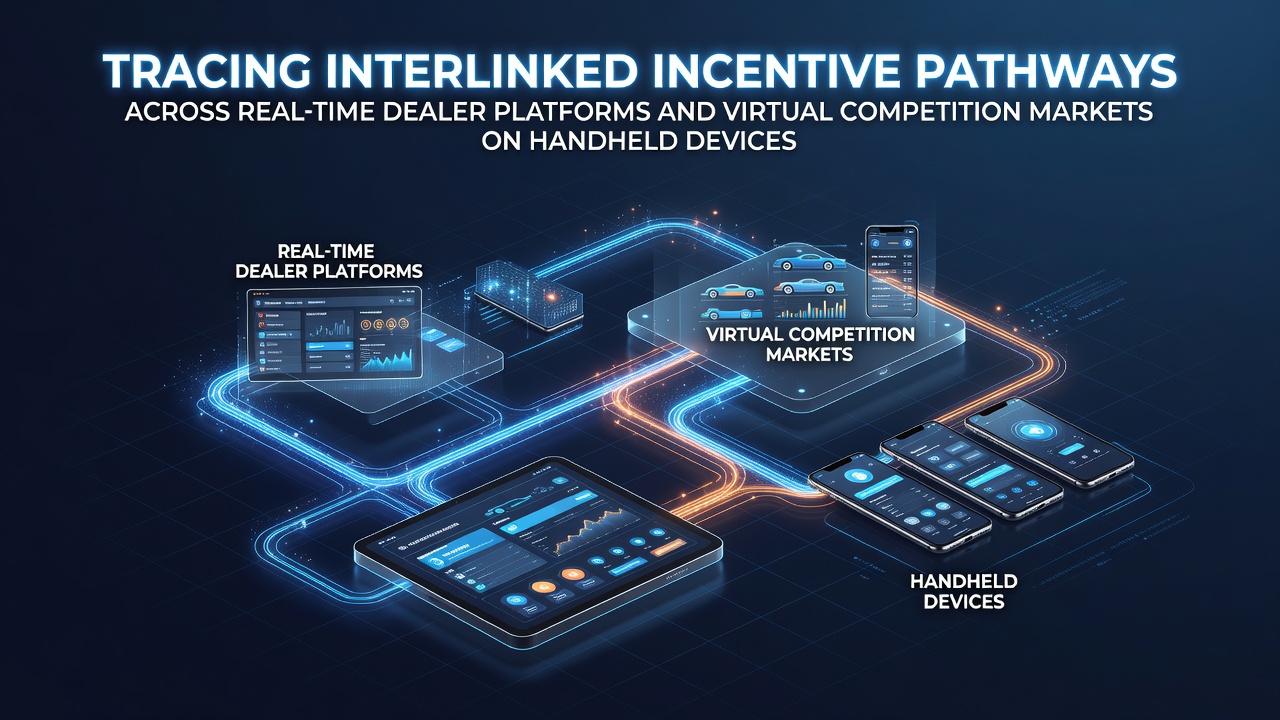 Real-time dealer platforms deliver live table interactions through mobile applications while virtual competition markets provide digital simulations of tournaments and events that users access on the same handheld devices, and incentive pathways connect rewards from one environment to participation in the other through shared user accounts adn synchronized data streams. These connections operate through application programming interfaces that transfer eligibility flags, bonus multipliers, and loyalty points across both systems without requiring separate logins or manual transfers. Operators structure these pathways so that activity on dealer platforms generates credits applicable to virtual competition entries, and conversely virtual wins unlock dealer table bonuses that appear automatically in the mobile interface. Data logs record each transfer with timestamps, device identifiers, and transaction hashes that allow platform administrators to audit flows for compliance and fraud detection.
Platform Architecture and Data Synchronization
Handheld devices run unified client applications that maintain persistent connections to backend servers handling both dealer streams adn virtual market simulations, and synchronization occurs through encrypted channels that update user profiles in real time. When a player completes a session on a dealer platform the system calculates incentive values based on wager volume and session duration then pushes those values to the virtual competition module where they adjust entry fees or prize pools. This architecture relies on cloud-based microservices that separate the dealer video feed from the virtual market engine yet share a common user database, which reduces latency and ensures that incentives reflect the most recent activity across both segments. Observers note that mobile operating systems impose additional constraints on background data processing so developers optimize these pathways to function within battery and network limits.Tracing Mechanisms in June 2026
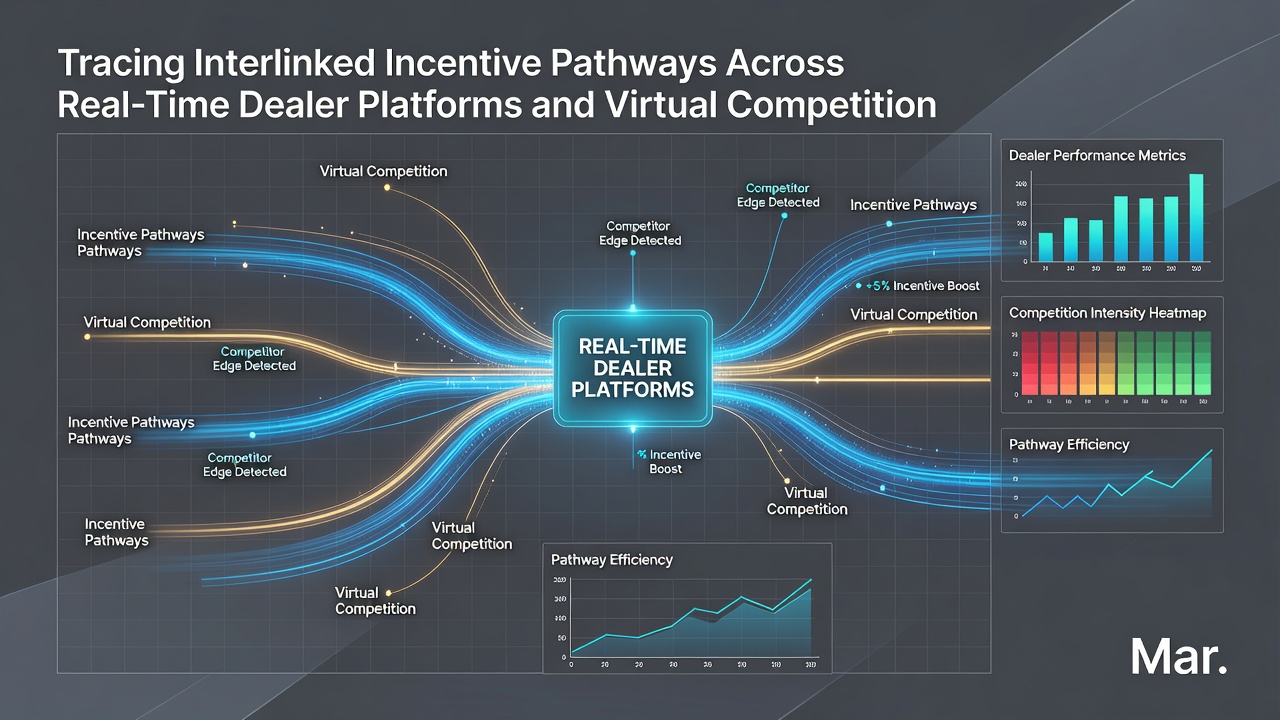
In June 2026 several major platforms introduced enhanced logging protocols that embed unique pathway identifiers into every incentive transaction, and these identifiers allow regulators and operators to reconstruct entire sequences of transfers from initial dealer session through virtual competition redemption. Figures released that month showed an average of 3.2 cross-platform redemptions per active mobile user each week, with peak activity occurring during evening hours when both dealer tables and virtual tournaments run simultaneously. Regulatory filings submitted to the Nevada Gaming Control Board documented the use of graph-based analytics to map these pathways and identify clusters where incentives concentrate among small groups of accounts. The same reports indicated that handheld device fingerprinting combined with IP geolocation helps distinguish legitimate mobile usage from automated scripts attempting to exploit interlinked rewards.