5 Jun 2026
Mechanics of Bonus Allocation in Integrated Poker, Racing, and Streaming Bet Ecosystems
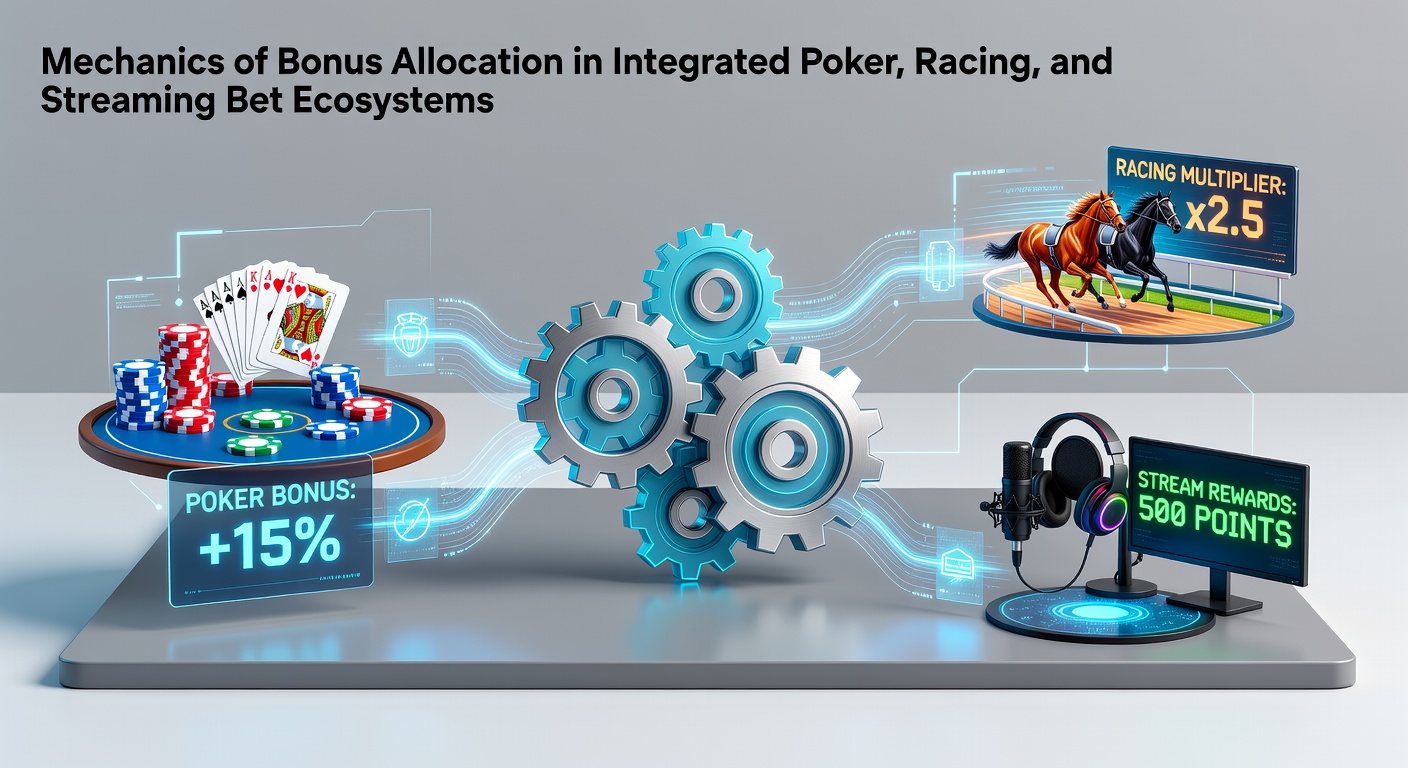
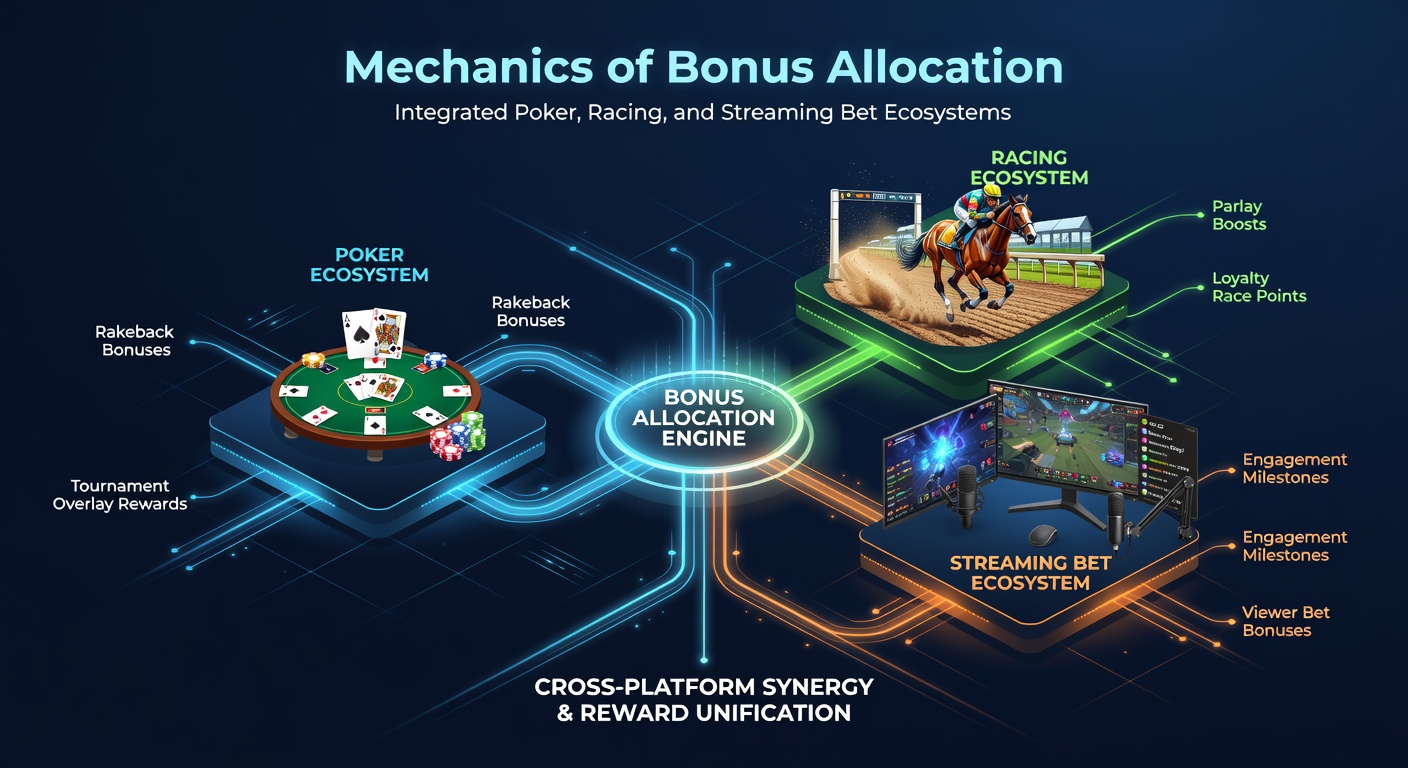
Integrated betting ecosystems combine poker tables, horse racing pools, and live streaming wagers into single user accounts where bonus allocation follows activity-based formulas rather than isolated promotions. These systems track player engagement through unified ledgers that record hands played, race bets placed, and stream interactions completed, then distribute rewards according to weighted contribution metrics.
Core Allocation Formulas
Platforms calculate bonus shares by assigning point values to each vertical, so poker hands might generate 1.2 points per dollar risked while equine wagers earn 0.9 points and streaming bets receive 1.0 points. The resulting totals feed into tiered payout schedules that release funds once predetermined thresholds are reached, and adjustments occur monthly when aggregate data from all segments updates the weighting coefficients.
One platform operating across multiple jurisdictions reported that a player completing 150 poker hands alongside five race bets and two streaming sessions received a bonus split of 55 percent from poker activity, 30 percent from racing, and 15 percent from streaming, demonstrating how the formula balances volume against vertical-specific multipliers.
Data Integration and Tracking Mechanisms
Real-time APIs connect poker servers, racing totalizators, and streaming overlays so every transaction updates a central profile within milliseconds. Observers note that these data flows enable precise attribution because each action carries metadata tags identifying its origin, which prevents double-counting while allowing cross-vertical accumulation toward bonus unlocks.
June 2026 Regulatory Updates
Beginning in June 2026, certain North American and Australian operators must implement enhanced audit trails for bonus calculations under new transparency rules issued by the Nevada Gaming Control Board and the Australian Institute of Health and Welfare. These requirements mandate public disclosure of weighting coefficients every quarter and independent verification of point-to-bonus conversion rates, which has prompted platforms to publish simplified dashboards showing how individual bets contribute to overall eligibility.
Research from the Canadian Centre for Gaming Research indicates that integrated systems reduced bonus abuse incidents by 22 percent after introducing mandatory cross-vertical verification steps in early 2025, because players could no longer isolate activity in a single segment to game the allocation process.
Proportional Distribution Examples
Take one operator that processed 4.8 million transactions in the first quarter of 2026. Data shows 62 percent of bonus funds originated from poker play, 25 percent from racing pools, and 13 percent from streaming engagements, yet the actual dollar amounts released depended on each user's personal ratio rather than global averages. This approach ensures high-volume players in any segment receive recognition while preventing any single vertical from dominating the reward pool.
Another case involves loyalty programs that reset allocation windows every 30 days. Users who concentrate bets in racing during the first half of the period and shift to poker in the second half still accumulate toward the same bonus tier because the system aggregates all points regardless of timing, although caps on carry-over points limit excessive stockpiling across cycles.
Algorithmic Adjustments and Edge Cases
Dynamic algorithms monitor participation patterns and apply temporary coefficient changes when unusual spikes appear in one vertical. For instance, if streaming bet volume surges beyond historical norms, the platform may lower that segment's multiplier for the remainder of the allocation window to maintain balanced distribution across the ecosystem.
Edge cases arise when accounts link multiple users or when promotional events overlap with standard bonus periods. Operators handle these situations through rule-based flags that isolate qualifying activity and recalculate shares after manual review, ensuring compliance with regional caps on total bonus value per account.
Conclusion
Bonus allocation in integrated poker, racing, and streaming ecosystems relies on weighted point systems, real-time data integration, and periodic regulatory adjustments that maintain fairness across segments. Platforms continue refining these mechanics as new data becomes available, particularly ahead of the June 2026 compliance deadlines in multiple jurisdictions. The resulting frameworks provide structured pathways for reward distribution while supporting operational transparency across diverse betting verticals.