21 Jun 2026
Interconnected Bonus Ecosystems Spanning Virtual Dealer Experiences and Multiplayer Online Competitions

Virtual dealer platforms deliver real-time table games through streamed interactions while multiplayer online competitions host structured tournaments across digital formats, and operators have developed bonus frameworks that link participation across both environments through unified player accounts and reward tracking systems.
Core Components of Virtual Dealer Bonus Structures
Virtual dealer experiences operate on platforms that stream live sessions from controlled studios where participants engage with dealers in games such as roulette and baccarat, and bonus allocations typically include deposit matches that apply directly to table stakes along with cashback mechanisms calculated on session losses. Data from industry reports shows that these incentives track player activity through session duration and wager volume, which then feeds into centralized loyalty ledgers maintained by the operating companies.
Operators integrate these systems with backend software that monitors compliance requirements set by licensing authorities, and in regions such as Nevada the Gaming Control Board maintains oversight of how promotional credits convert across different game categories.
Mechanics in Multiplayer Online Competition Environments
Multiplayer online competitions encompass bracket-style tournaments and ranked ladders in strategy and action genres where participants compete for rankings and prizes, and bonus ecosystems here often feature entry fee subsidies or performance-based rewards that unlock additional tournament access. Research from academic studies conducted at institutions including the University of Malta indicates that these rewards accumulate through achievement milestones which platforms convert into redeemable credits applicable to future entries.
Platforms maintain separate competition servers that log results in real time, and the resulting data points integrate with broader player profiles that span multiple service categories offered by the same parent companies.
Integration Pathways Across the Two Domains
Shared user authentication allows activity from virtual dealer sessions to influence eligibility for competition bonuses, while tournament outcomes can unlock credits usable in live dealer environments, and this interconnection relies on application programming interfaces that synchronize transaction histories and preference data between distinct product verticals. In June 2026 regulatory updates from the Malta Gaming Authority highlighted requirements for transparent cross-product reward disclosures that operators must implement to maintain licensing standards.
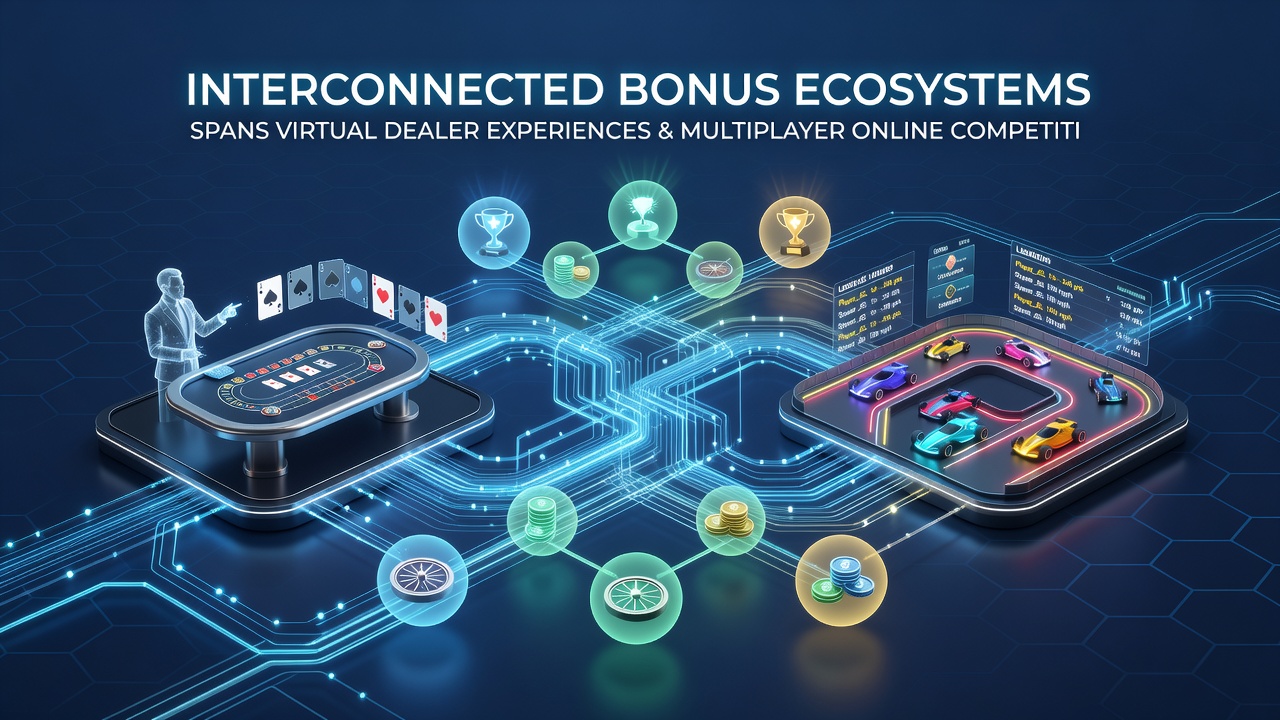
Companies deploy customer relationship management tools that segment users based on combined engagement metrics, which enables targeted promotions such as bonus bundles that combine table game credits with tournament buy-ins, and these bundles appear in unified in-app marketplaces rather than isolated product sections.
Technical Infrastructure Supporting Cross-Environment Rewards
Cloud-based databases store player histories that include both dealer interaction logs and competition result archives, and algorithms process these records to determine tier progression that grants escalating benefits across environments. Network latency considerations influence how real-time bonus redemptions process during active sessions, whereas batch processing handles periodic loyalty adjustments that apply to both dealer tables and tournament registrations.
Security protocols encrypt data transfers between the separate front-end applications, and third-party auditing firms verify that bonus calculations adhere to published terms across the interconnected platforms.
Regional Regulatory Considerations
Licensing bodies in multiple jurisdictions require operators to isolate funds designated for bonuses from operational capital, and the Australian Communications and Media Authority has issued guidance on how cross-platform promotions must disclose terms that apply when rewards move between dealer and competition products. European frameworks emphasize player protection measures that include spending limits calculated on aggregate activity rather than isolated product usage.
Operators respond by maintaining separate ledgers for each regulatory region while still allowing internal data flows that support unified player experiences within compliant boundaries.
Conclusion
Interconnected bonus ecosystems continue to evolve through technical integrations that link virtual dealer participation with multiplayer competition activity, and regulatory developments such as those noted in mid-2026 underscore the need for clear tracking and disclosure mechanisms. These systems rely on shared databases, synchronized reward ledgers, and compliance frameworks that accommodate activity across distinct gaming formats while preserving jurisdictional requirements.