22 May 2026
How Platform Algorithms Reshape Bonus Eligibility in Poker Variants and Horse Race Pools

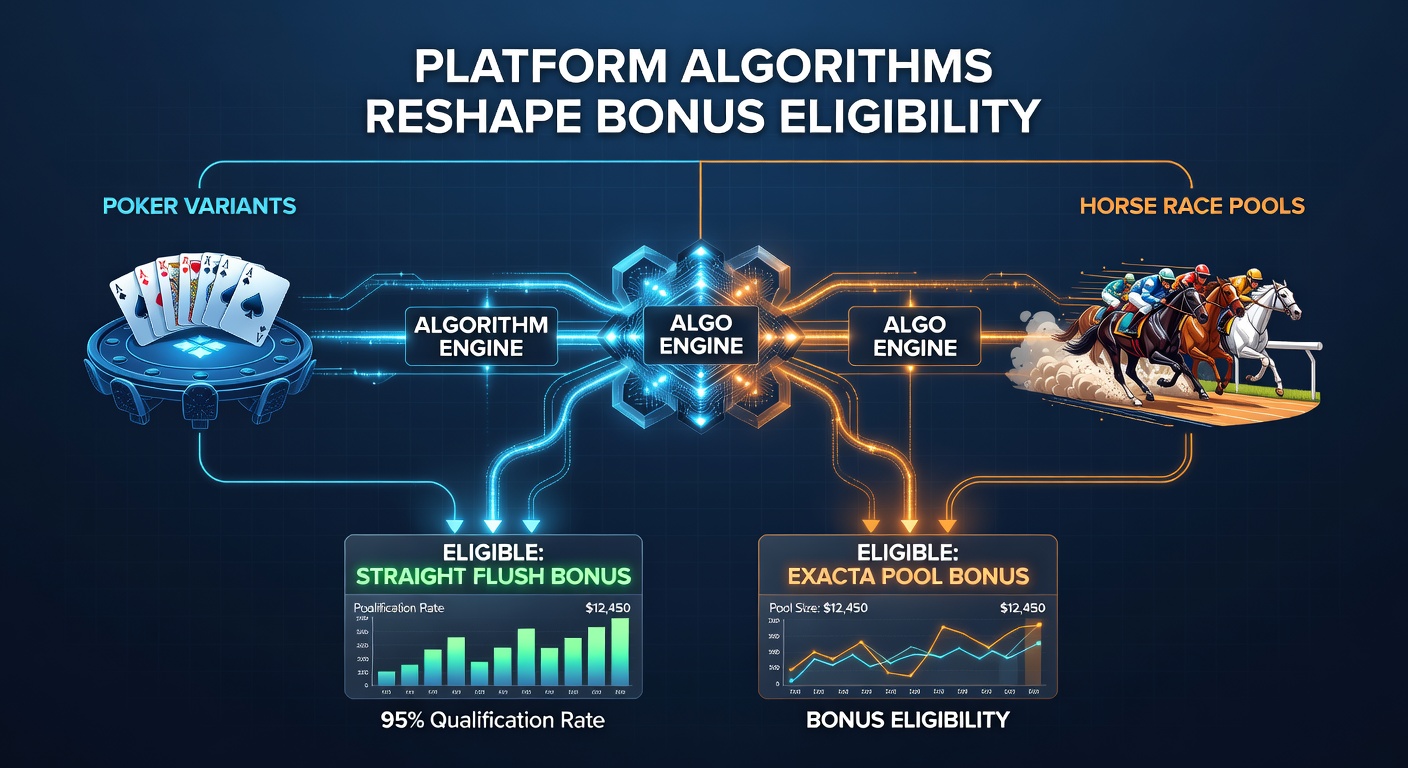
Platform algorithms now determine bonus eligibility by analyzing player behavior patterns across poker variants and horse race pools, and these systems process data on bet frequency, stake size, and session duration to set access thresholds. Research from institutions such as the University of Sydney's Gambling Research Centre shows that machine learning models track win rates alongside deposit consistency, which means eligibility for reload bonuses or pool multipliers can shift within a single session when certain risk parameters are met.
Core Mechanics Behind Algorithmic Eligibility
Operators feed historical data into decision trees and neural networks that score accounts for bonus qualification, while variables include time between wagers, choice of game type, and movement between poker tables and racing pools. Data indicates that accounts displaying rapid switching between variants often receive adjusted offers because the system flags such patterns as potential arbitrage attempts. In horse race pools the same frameworks evaluate exacta and trifecta participation rates, and eligibility for enhanced dividends or bonus credits narrows when algorithms detect clustered betting on longshots versus favorites.
Observers note that these models update nightly using aggregated platform statistics, yet individual account scores can change in real time once thresholds are crossed. Industry reports from the European Gaming and Betting Association highlight that operators in regulated markets began rolling out version 4.2 of these engines during the first quarter of 2025, and the refinements carried forward into May 2026 when several major sites synchronized their poker and racing modules to share cross-product risk signals.
Effects on Poker Variants
Texas Hold'em cash games see eligibility for deposit-match bonuses tied to hands-per-hour metrics and showdown frequency, whereas Pot-Limit Omaha accounts face tighter scrutiny on multi-way pot participation because algorithms interpret high variance play as elevated risk. Those who studied platform logs report that Stud and Razz variants receive separate scoring layers that weigh average pot size against all-in frequency, which can disqualify players from loyalty tier upgrades if the model identifies prolonged downswings followed by aggressive recovery bets.
Eligibility windows also contract when players move between micro-stakes and mid-stakes tables within the same hour, and platforms apply velocity checks that pause bonus activation until the account stabilizes. Research indicates that such pauses last between four and twenty-six hours depending on the detected pattern deviation, and players who maintain steady stake levels across variants retain longer access periods.
Changes in Horse Race Pool Structures
Algorithms applied to horse race pools calculate bonus eligibility by combining pool size, ticket distribution, and historical payout ratios for each race meeting. Accounts that concentrate wagers in quinella or first-four pools during smaller meetings often trigger reduced multiplier offers because the system associates those choices with lower overall handle contribution. Conversely, steady participation across feature races and supporting events maintains baseline eligibility, and data from Australian wagering operators shows that consistent pool coverage correlates with higher retention of promotional credits through 2026.
Real-time adjustments occur when pool liquidity spikes, and the model recalculates individual contribution percentages before confirming bonus release. Players who shift from fixed-odds betting into pools mid-meeting sometimes encounter temporary holds while the algorithm reconciles cross-product exposure, and these holds resolve once the system registers balanced activity across both formats.
Cross-Product Risk Scoring and 2026 Updates
Platforms increasingly merge poker and racing datasets into unified risk profiles, which means a player's poker session history can influence horse pool bonus availability and vice versa. In May 2026 several operators introduced shared velocity limits that pause all bonus activity if combined handle exceeds preset ratios within a twenty-four-hour window. Regulatory filings from Canadian provincial gaming authorities document that these unified scores reduced bonus payout volatility by measurable percentages in the months following deployment.
Eligibility notifications now include brief explanations of the primary factors that triggered changes, and users receive these alerts through in-app messages rather than static terms pages. Industry analysts tracking adoption rates report that the transparency measures improved account retention metrics across both poker and racing verticals during the second quarter of 2026.
Conclusion
Platform algorithms continue to refine bonus eligibility criteria by integrating behavioral signals from poker variants and horse race pools into single decision frameworks. The systems adjust access based on real-time and historical data, and updates implemented through May 2026 demonstrate ongoing synchronization between product lines. Observers tracking these developments note that eligibility now depends on cross-format consistency rather than isolated performance within one game type.